Hustle and Love: Life of an Independent Author

Maybe you’ll think I’m in need of medication when I profess my love for the writing process. If I talk about the creative process too much, I will quickly veer off topic. Besides, it might get a little woo-woo metaphysical, a little florid, a little poetical. Hell, even a little mystical.
You see, I don’t want to write about the writer’s hustle. I don’t want to admit the sheer volume of time I spend in endless social media algorithmic guessing games (AKA shamelessly self-promoting into the void). I don’t want to admit how jaded I can become at the bowing and scraping I have to do, much of which is for naught. Every time I send out a query or a short story, my dignity—indeed, my spirit—is implicitly threatened. The incessant trickle-trickle drip-drip of rejections that I have gotten over the years is enough to drive me to quit writing altogether. Why would I want to relive all those little traumas? I would much rather write about the recursive nature of writing and editing, the very cycle of creation and destruction in the process of creating worthwhile art.

See? Told you. Borderline woo-woo.

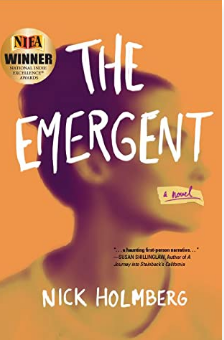
You might say I have a problem. When I hear “No” from a publisher, I reply, “Thank you! May I have another?” There’s plenty of evidence that I’m masochistic in this regard, as I have been trying to get short stories published for over twenty years (order my first published story today). And before my debut novel, The Emergent, was hybrid-published, it took nearly two decades of crafting it with elements of psychological mystery, coming-of-age, family saga, and magical realism. I must be glutton for punishment, thinking for a long while that a modern traditional publisher or agent would have accepted an unknown white hetero dude writing from at least two appropriated perspectives.

I won’t write here about all the hustle and general insanity it takes to get others to publish your work. Contact me to set up a consultation. Suffice it to say that, as an independent writer, getting my writing to market took hustle. Or delusion. Take your pick. But, being an un-agented genre-defying writer makes the hustle-delusion that much more acute.

Instead of focusing on my long line of failures in winning the approval of publishers and lit magazine editorial boards, I’d rather write about the more interesting side of the hustle: talking to folks about the woo-woo side of my writing process. You don’t need the gory details here about endless submissions. What should come across in this post is my love of writing. And trying to prove to publishers what I already know—that my writing is good or that water is wet—is a necessary evil. Once I accepted that the popularity and profit are inaccurate gauges for quality, my job as a writer became easier.

And in an ideal world, popularity and profit would not drive your artistic endeavors.

I’m not saying any of this to portray myself as something I’m not. I ain’t a bloviating egotistical writer-type, despite what my rant here may tell you. I’m simply a writer-type. No stereotypical egotism. Just a writer-type.

Better that than a typewriter. What a life. Born to get punched.

To flog a pun into a bad metaphor, being a writer-type really does mean rolling with the punches, all the small jabs along the way can slowly wear you down over years or, in my case, decades. Fortunately for me (and the folks who have heard me speak at public libraries, on podcasts, or on WHO-TV’s “Hello, Iowa”), the act of writing has never felt like a chore—even when I’m trying to repair the gaping plot holes and stumbles in poetic narratives caused by me killing my darlings. Creative writing has never been work (if it were, I should have demanded a higher wage and maybe some health bennies!). And writing has been only moderately about my quest for Steinbeck-like fame (that dude had ideas that resonated, he had ideas that he researched, wrote about, published to a wide audience, hated to discuss and defended. All this, he did for a living).

Even if you’re not like me—masochistic, self-proclaimed spiritual being intent on being moderately all Steinbeckian and shit—, a published independent writer cannot just sit back and watch their baby go out in the world. This is to say, if you watch and hope for the best, your book will easily get lost in the sea of 4 million books that are published each year. No matter how you publish—self, hybrid, or traditional—hustle after publication is the name of the game.

The decades I have been tapping away on my laptop writing my great American novel have been instructional to my inner life. It has been a spiritual practice to wake and write every morning at 5 AM to create and coax my darlings to do my bidding—or a reasonable facsimile thereof. But over the last year and a half since the release of my novel, the hustle—booking, preparing for, and travelling to attend events—has taken energy. And it takes energy to poorly conjure super-keyworded and algorithmically steroidal social media content. All this promotional energy often has usurped time for my cherished, protected one-hour process practice: my daily 5 AM communion with syntax, vocabulary, and structure.

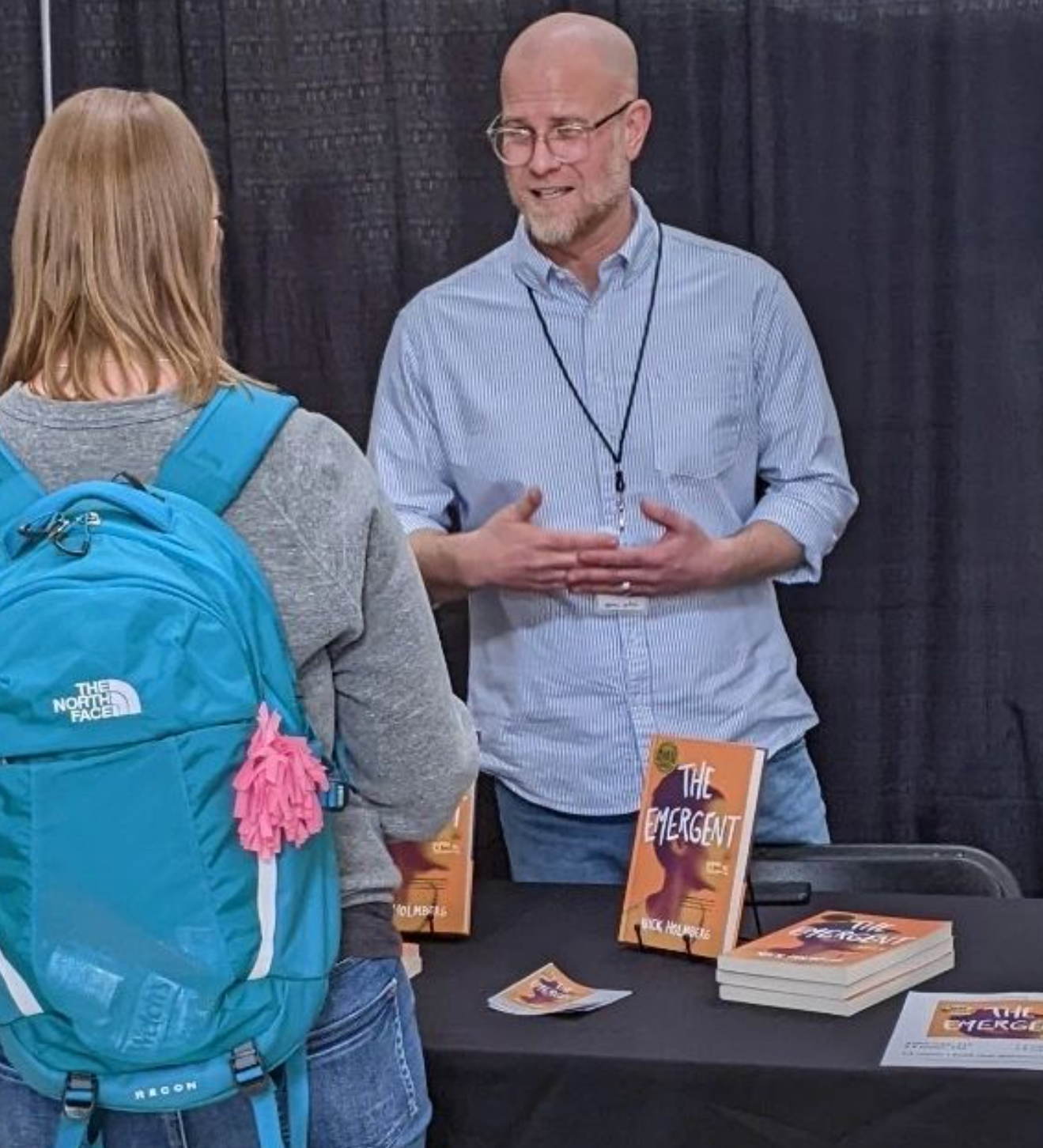
That said, all the hustle has led to fulfillment; by year’s end, I will have done twenty events. As a result, I have gotten to be a little Steinbeckian, chatting with folks about researching my novel, discussing its overt and subversive themes, and defending my artistic vision.
secret for indie authors: media mail

I would say the book giveaway on Goodreads was a success. I want to share a little secret about the United States Postal Service. If you are sending hard copies of your books out to patrons, contests, and book fairs in the US, save money by using the book rate. When you go to the post office, just ask your packages to be sent using media mail for a ~50% savings. Slightly slower delivery speed than with regular mail, but well worth it if you have a little extra time.

endorsements for The Emergent

“A woman’s bold reckoning with memory, and pursuit of all its drifting pieces. The Emergent is just that – an aching recognition of how family narratives persist, holding us in their loving embrace, or imprisonment.”

–Marc Palmieri, author of She Danced with Lightning

The Emergent is a tale of blood, loss, family, and departures that orbits a continent, its casualties, and its letdowns. It is a story for those of us who will never be sure if we only imagined that hand at the shoreline reaching for us.”

–Salar Abdoh, author of Out of Mesopotamia

The Emergent is a haunting first-person narrative about young Kat’s shattered family and their complex histories. The title of this sensitive, evocative novel says it all: life is about our emergent selves and the stories we tell and hear along the way.” 

–Susan Shillinglaw, author of A Journey Into Steinbeck’s California

“For a novel that moves so swiftly from one American coast to the other, and back again, interestingly it is the obscure neighborhoods of San José that inform the soul of Holmberg’s polyphony of a novel, The Emergent. As a Californian I love this book. I love it because it’s the California I know but almost never read about. In this way, I see it on the bookshelf between Helena María Viramontes’ little masterpiece Under the Feet of Jesus, and Leonard Gardner’s beautiful Fat City. It’s that good.”

–George McCormick, author of Inland Empire

“Holmberg has created a compelling and thoughtful novel that is a beautifully crafted and complex narrative. The Emergent causes one to wonder if they will be bystanders in life, or if they’ll jump in–allowing the mysterious mosaic of life to create something fascinating.” 

–Emily Keefer, author of The Stars on Vita Felice

The Emergent is more than just a family history — it’s Kat’s attempt at finding her own voice and defining herself on her own terms, crafting her identity by choosing what details of her life should make up the person she has become. Kat’s account of what appears as a family history spanning generations succeeds at holding the reader at bay much more effectively than can be [fully] understood until the novel reaches its close.”

  –Kelsey Conrad, Little Village Magazine

The Emergent is not to be rushed through, if you can help it. Each paragraph is lovingly crafted, and I deeply enjoyed Kat’s Holden Caulfield-like alienation. As I read, I began wondering how real any of our ideas about our personal histories are.”

–Tim Gerstmar, author of The Gunfighters

The Emergent is a modern The Outsiders, a gritty look into the subcultures of America.”

–Wally Jones, author of Sam the Chosen


The Emergent – a synopsis

“Unknowns can be handled in two ways. You can stay on the beach and watch, imagining what
might—but probably won’t—happen. Or you can offer up your mere physical existence for the
chance to be a part of something bigger than yourself.”

These are among the last words that Kat hears from her lifelong friend, Alma. The Emergent opens at the dawn of the internet era, and nineteen-year-old Silicon Valley native Kat is alone.

Haunted, she wonders if her actions drove Alma-and the rest of her family-away. Soon after
Alma’s disappearance, Kat finds herself in New York City with a new companion. In an apparent attempt to understand why she ended up across the continent, Kat relates her family’s story. Set in places like the shores of Oakland after the 1906 San Francisco earthquake, Depression-era farming communities of California’s Central Valley, and cold-war Santa Clara Valley, the family history and its ghosts also seem to shroud who Kat really is. But a series of mysterious injuries compel Kat to reveal more about herself. Will these revelations save Kat from her past? Or will they forever define her future?

Contact the author for a full tip sheet and to discuss speaking engagements.


in honor of election day: Variations on a Sickness – a dark satire

Variant: a dystopian prelude (a very short chapter from my dark satire-in-progress)

Julius’s niece is dead after following the advice of Our Dear Leader (ODL).

The armies in the north are gearing up, their leaders salivating at our weakened defenses and superior, unused medical resources. A whole division of our troops in that region ingested a cocktail of over-the-counter cleaning supplies a couple days ago. And radio silence from ODL, the man who said such an injection could be a good idea. “Whaddya have to lose?”

ODL is a man whose power is derived from his association with and intimidation of scientists who found the “sociopath” gene. A decade ago, he won office on the idea that he—and he alone—could rid the country of sociopathy.

Were it not for Bliss, Julius might have voted for ODL all those years ago. But his wife’s constant raging brought on sweat, chills, fever, headache, dry mouth, and shallow breathing. Anxiety like this overwhelmed any vague fear Julius had about The Sickness.

“You cannot vote for him, Jules,” she had said ten years ago, her dinner getting cold. “Don’t be fooled by all the free coverage the media is giving him. I mean, listen to this fucking idiot prattle on incessantly. It’s the same thing every single time! It’s not news. It’s indoctrination.”

Bliss brought up a video on her phone of ODL at one of his recent election rallies. The future dictator screamed, “The illness—people call it The Sickness—of socioplathy [sic] inflicts one in every 25 people. And it’s a terrible terrible terrible disease that is coming for you and your kids. It’s Lizzie, a great doctor of medical, who determined all this. A great person; we have a very great friendship; Lizzie always tells me what I want to hear. I really like her. I know…we know, right Lizzie?…we know some great people, great great great wonderful people, who say they’re able to detect socioplarthy [sic].”

“Did you know?” Bliss shouted as she scrolled through social media for another example. “Did you know ODL’s followers think he is a brilliant clairvoyant? What the actual fuck is going on?! The goddamned lunatic says he is able to use his ‘immense intuition’—whatever the hell that means—to determine who has The Sickness.”

According to ODL, alarmingly high rates of The Sickness supposedly existed in people who wear glasses, read books, or write newspaper articles. Of course, this idea got massive pushback in the media, playing into ODL’s trap; the dissenting thinker-writer types (and those who wore glasses) were the first to be attacked, abducted, and disappeared after the election.

“These campaign rallies,” Bliss continued as she swiped up again and again on her screen. “These rallies are recruiting tools for CC squads. Christ & Country squads! Can you believe that shit?! I’m telling you, they’re going to start rounding up people like me…and you; guilt by association. And what if we have a baby? Who knows what those animals would do to our baby. Just listen to this.”

Again, she shoved the screen in Julius’ face. ODL said, “Once we know who’s socioplarthic [sic], we can do something about it. And it’s gonna be so great you’re not even gonna believe it. We’re gonna get rid of these dangerous dangerous dangerous people, the sylviaplathics [sic]. Lots of smart people are saying this is what we should do, some of the smartest people with the biggest you-know-whats.”

After his election, ODL and his cold-blooded devotees hunted down “the infected,” employing the very same extreme ruthlessness known in the most extreme cases of sociopathy. Without a trace of irony, CC squads crisscrossed the country gleefully chanting “89% of slaughter is laughter” while efficiently taking the supposed sociopaths out of the population. Through the success of re-education camps, conversion therapy, and deportation—but mostly through wholesale butchery —ODL triumphantly, and with little physical resistance, attained total and lifetime rule of the country.

The plucky band of late night hosts, saved by celebrity, soon were the only voices of opposition. So long as they didn’t fade from memory like a movie star with a dreadful agent, the hosts were protected by their popularity. And the kettles of civil unrest that they had kept simmering for years were now at a low steady boil. Now, the late night hosts’ millions of fans have come to believe that the spread of highly contagious, air-borne sociopathic variant to be a hoax, that the resulting national quarantine is part of an ODL power grab.

“This damned hypocrite!” Bliss yells at the screen, diverting her thoughts from much more local and personal tragedies. “He’s shameless, as usual. It doesn’t matter to his followers if he’s breaking his own quarantine decrees. He’s touring these huge indoor stadiums, spouting this new theory. Didn’t I say he would come for the babies? Ten years ago, I said this would happen. Have you heard this shit, Jules?”

Her screen thrust in his face, Julius has no choice but to watch.

ODL shouts, screams, slavers to the adoring fans, “They say the novel sickness is a disease that infects little babies in the womb; and until now nobody had a way of knowing until much much much later, who had socio…socioplithy [sic]. They still say one in every 25 people is a socioplith [sic]. But some great people—people I know, great people, people who love me—great great great people are saying there’s a way to detect socioplicthy [sic] in the womb. Orange you glad you know that now?”

It is this kind of rhetoric that distracts even me, the demi-god: a semi-omnipresent, semi-omniscient, semi-omnipotent, or however it is you want to semi-classify me. I find myself distracted from this demi-epic about Julius.

His niece, Frenchie, died just the other day after a lethal cocktail of Tide Pods dissolved in bleach and a deep huff of aerosol disinfectant. She didn’t even get tasty Kool-Aid or shiny Nikes out of it.


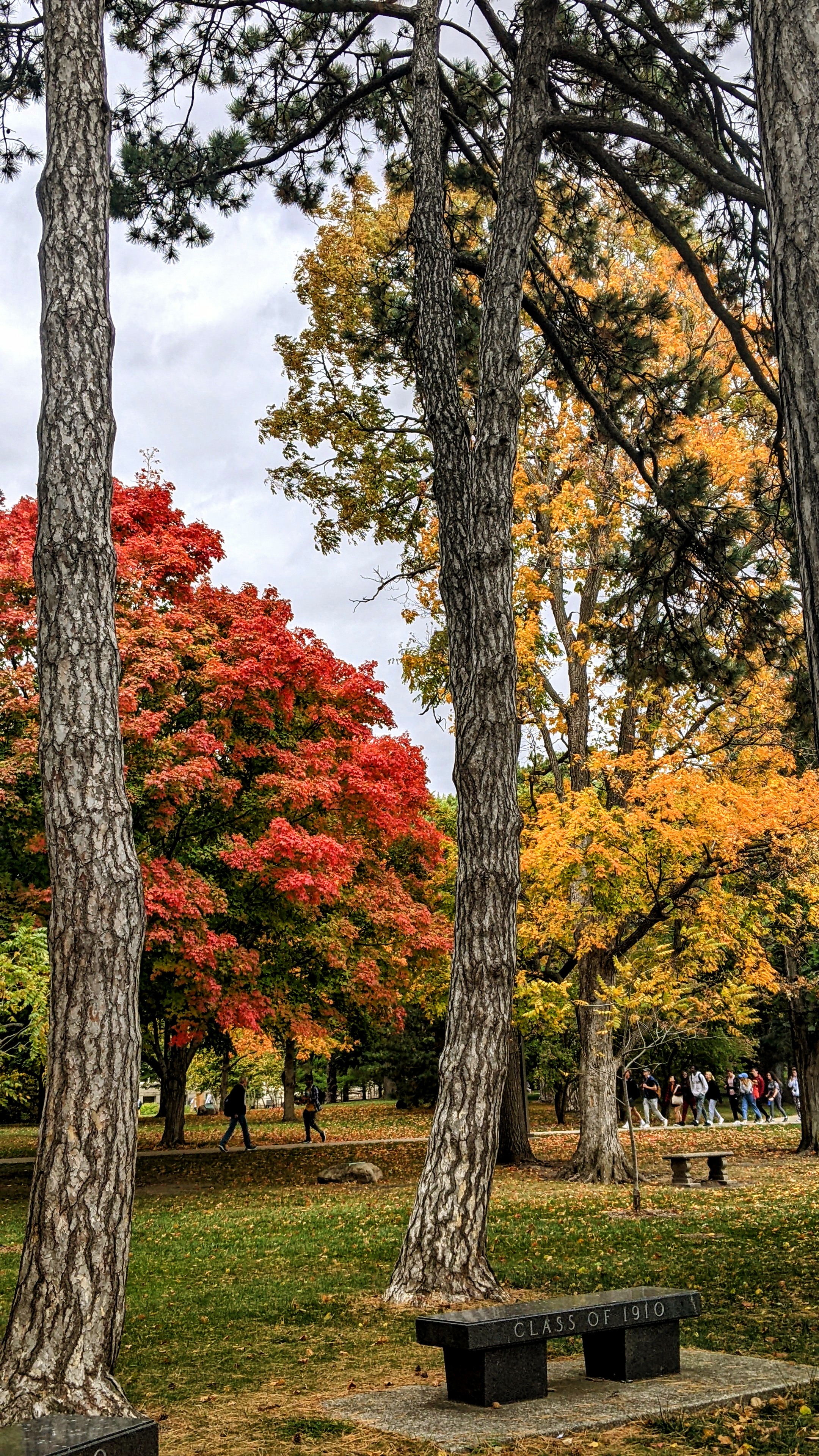
inspiration in the fall

I’ve just finished writing two new short stories. They’re called, “The Pain of Returning” and “…with Dame Judi Dench as Gertrude”.

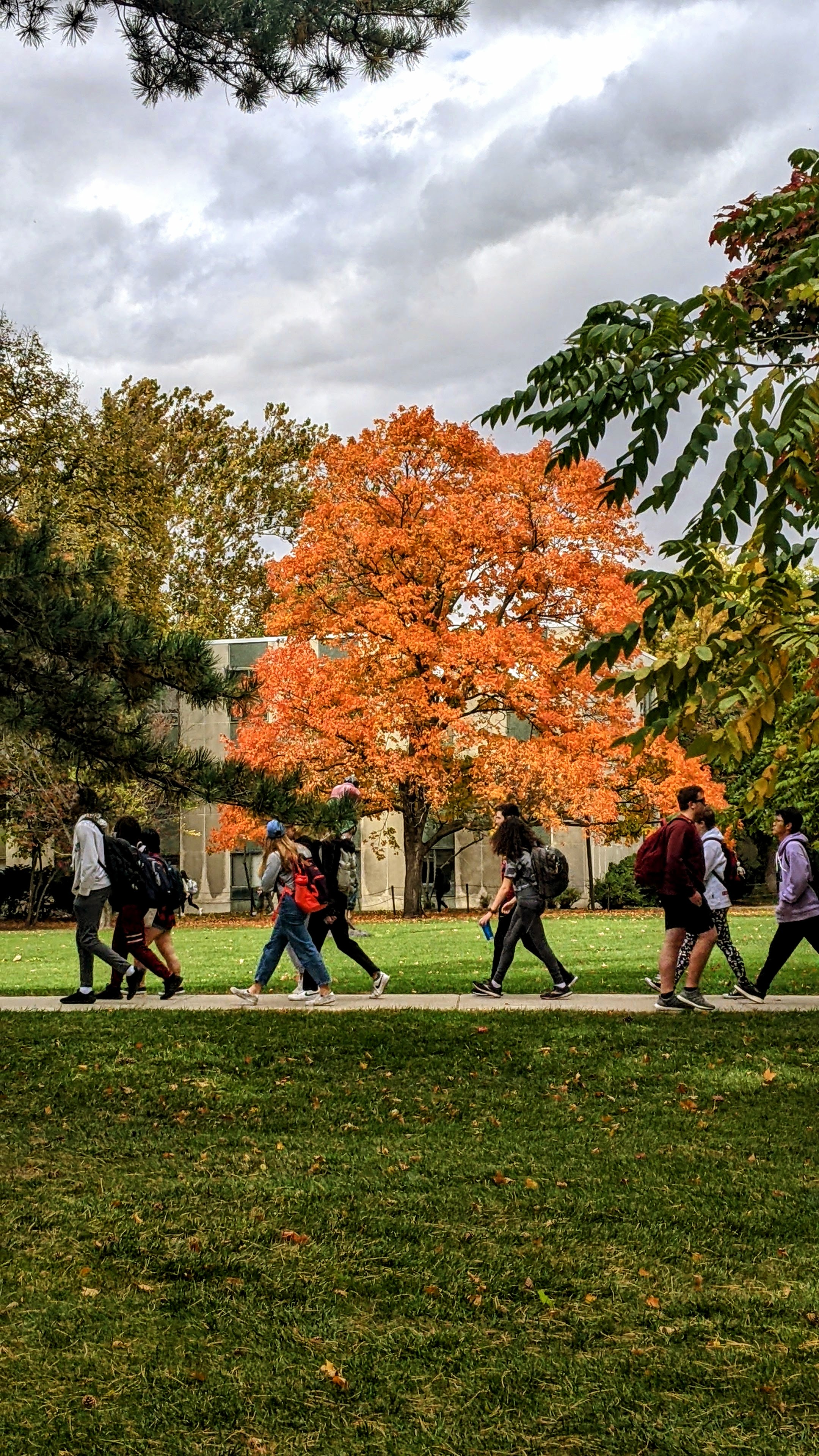
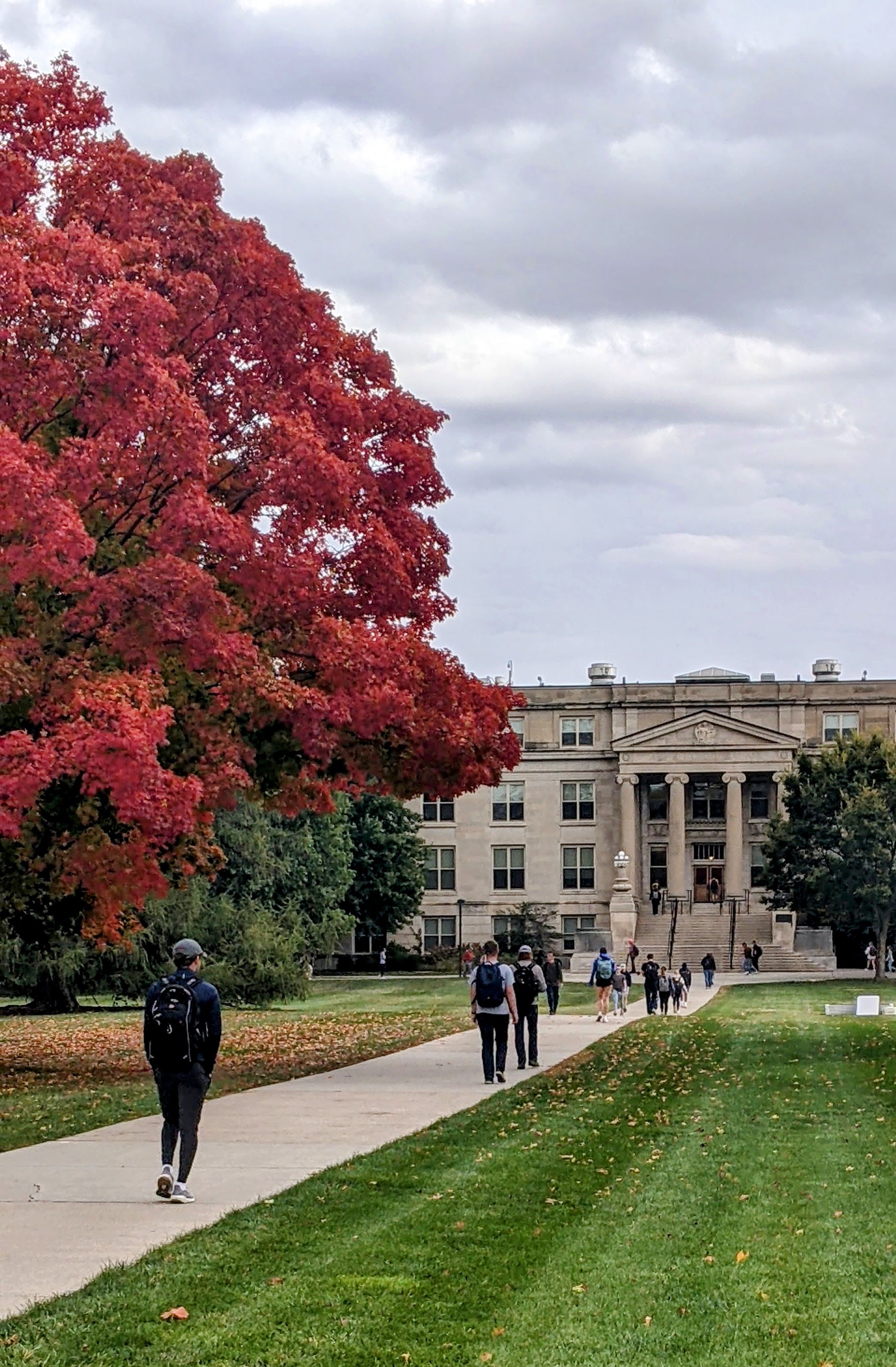
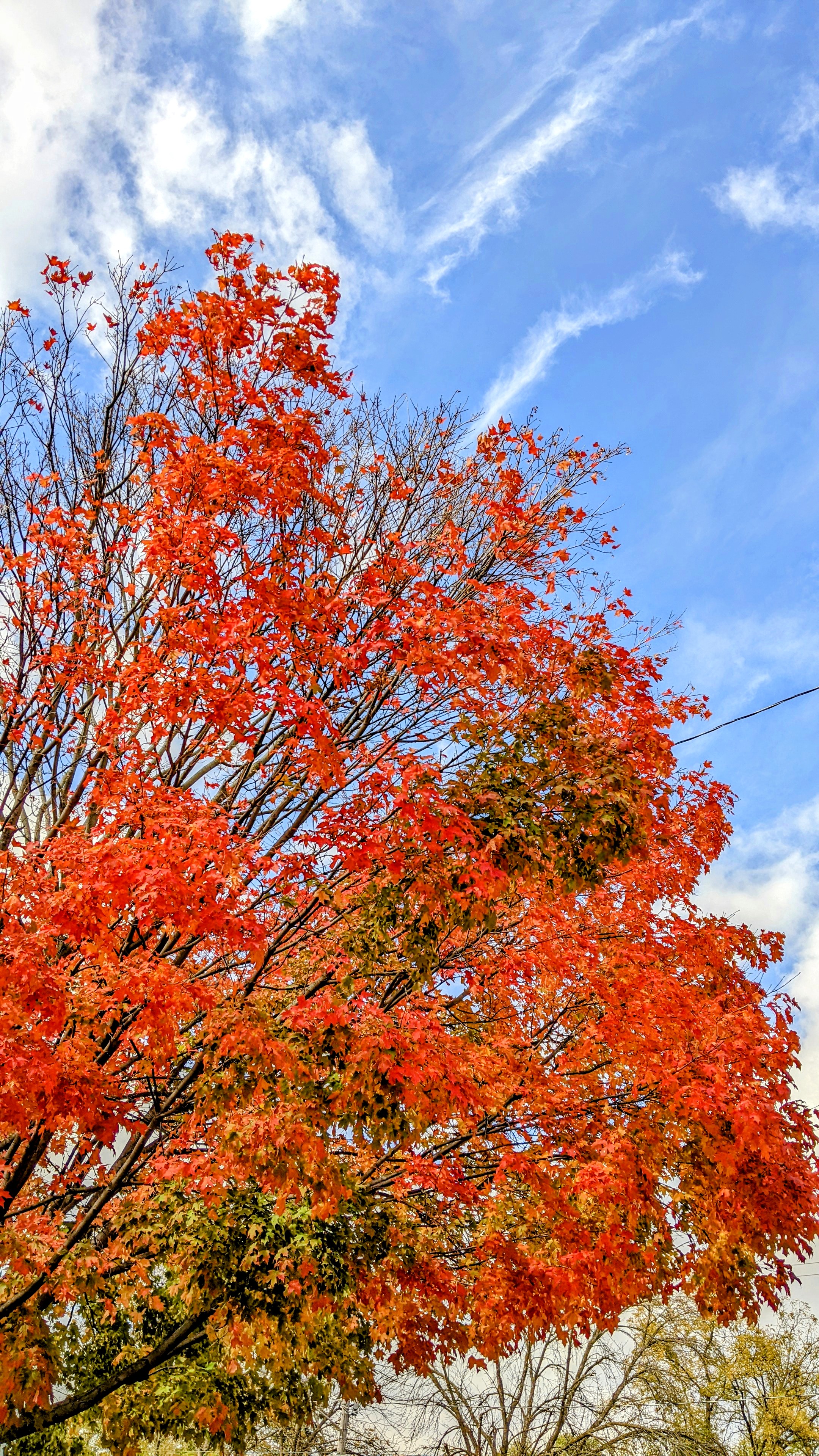
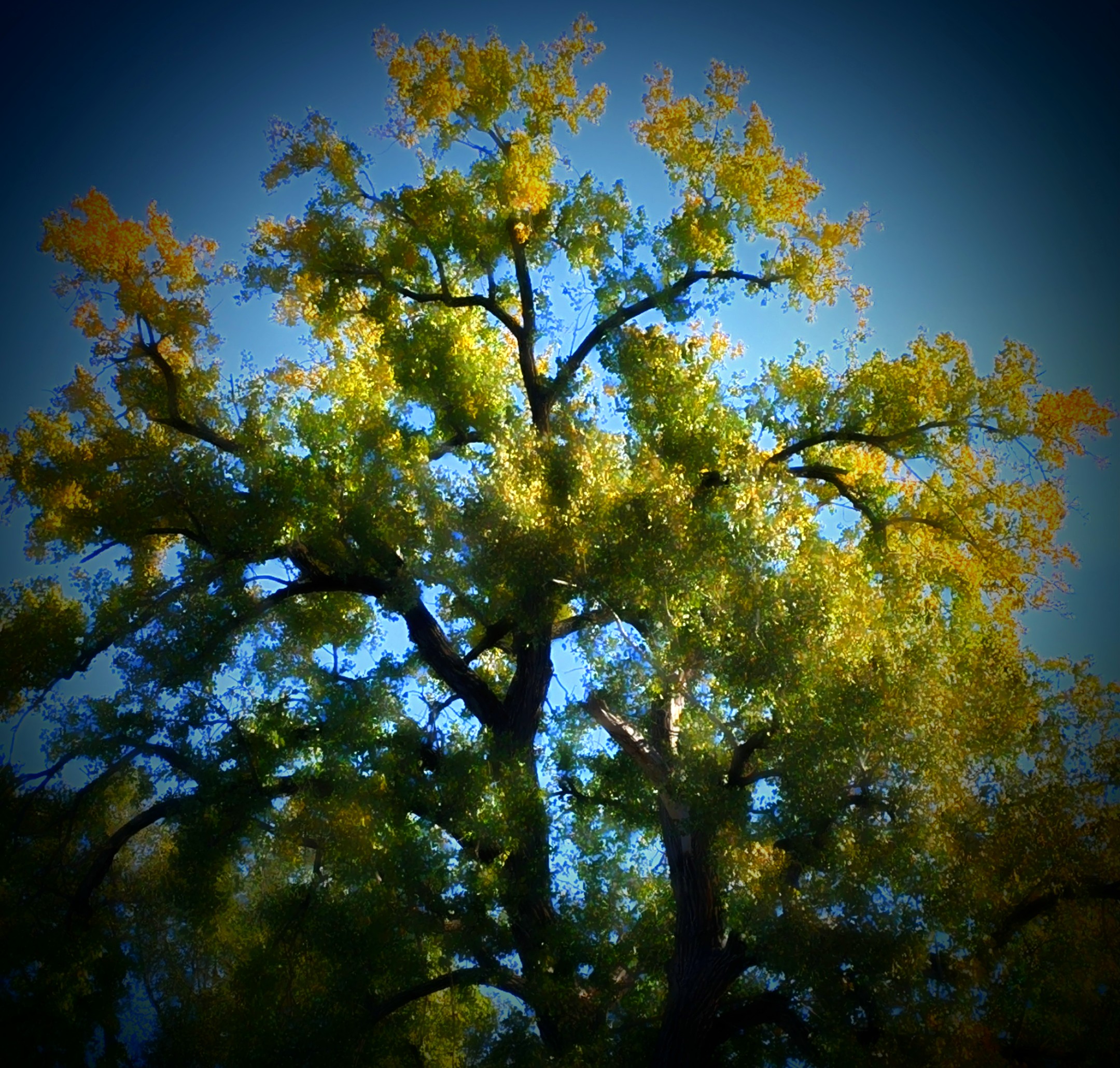
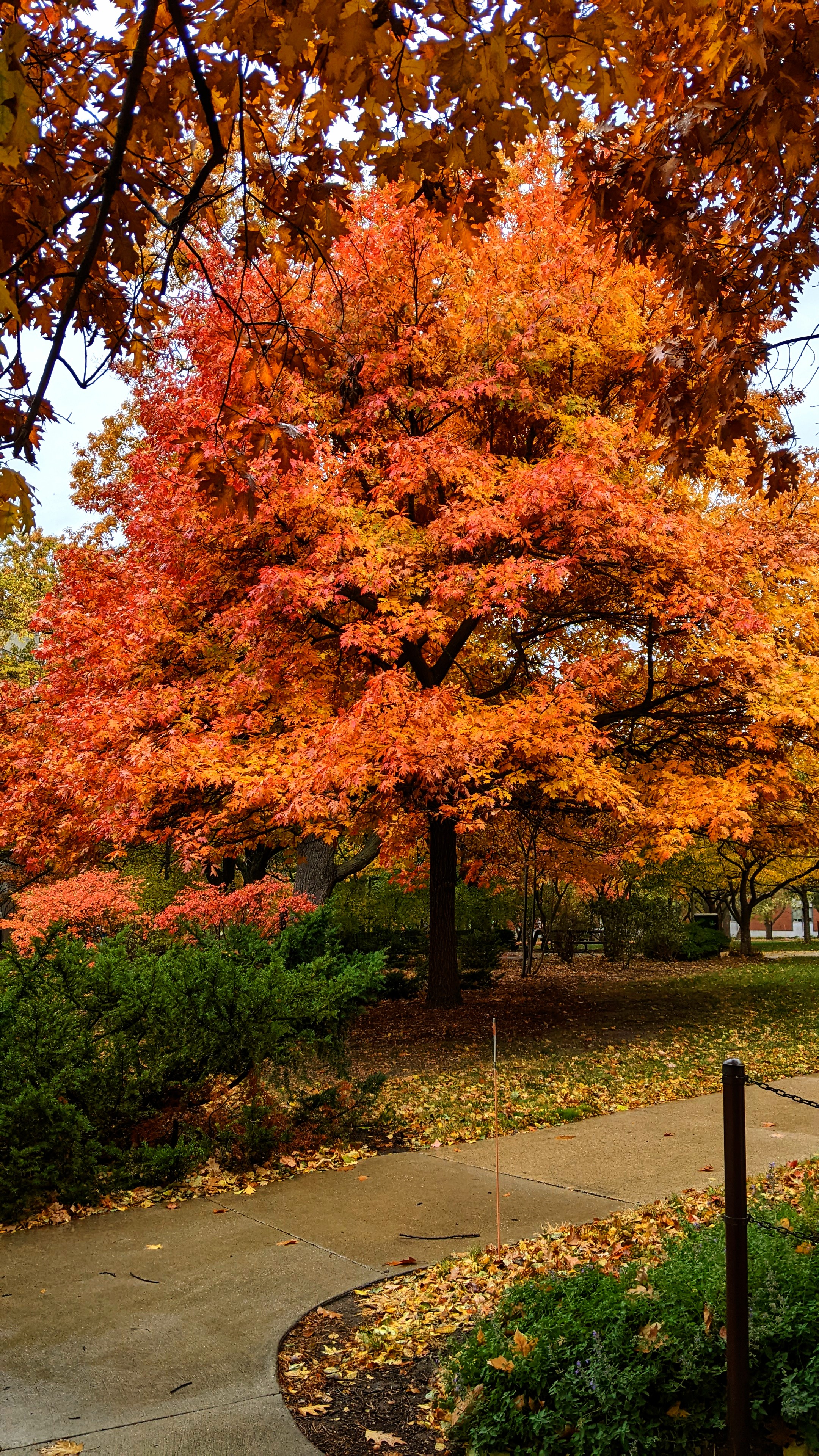
There’s a reason I call this writing season. Everything is in full color. Sunny days glow. The cool weather and shorter days keep my butt to the chair so I can crank out new pages. If you follow me on Instagram (@nickholmbergwrites), you know I’ve been posting about inspiration for weeks now. See the pictures below for examples.

Where do you find your inspiration?


writing ritual – music

Writing routine. Writing ritual. I like the term writing ritual. Then the term is spiritual. Religious, even.

Over the course of writing The Emergent, I listened to certain albums for their familiar sounds and their contribution to my writing ritual. I wrote about it in this post.

On that note, I wanted to share the only playlist I listened to in the final six months of work on the book. Never listened out of order. The list is publicly available or you can recreate it on a different platform.

I wish I had 3 hours+ to write every session.

dreams, coffee, and the invasion of smart phones

When I was in my early to mid-20s, I would do things in dreams unimaginable to me in waking life: inject heroin, die by gun suicide, die by gun murder, crash-land small jet planes in the San Francisco Bay.

Dreaming sounds dangerous. Yes, but not always. In one dream when I was 24—a couple year after a particularly bad heartbreak—I forgave the young woman who had crushed my soul.

Other than of the occasional dog attack, I don’t dream much anymore. After all the addiction, the dying, the near-death, the confrontation with deep emotional pain, you might say that’s a good thing.

I don’t.

The current dog-attack dreams are stark because they are the only ones that I remember. Since they are connected to real altercations with neighborhood dogs over the past two years, the dreams help make meaning.

The dog attacks of my dreams can represent any and all multitudes of secular fear: pandemic, politics, and their implications on the next generation.

The dog attacks of my dreams can represent a particularly unruly part of my inner Self (an interpretation less potent in my very domesticated mid-40s).

cover art for Tool’s Lateralus: Alex Grey

The dog attacks of my dreams can represent whatever I want them to, follies of possible self-delusion and misinterpretation notwithstanding.

The real trick, at least in the dream, is to vanquish the dog. Or befriend it.

Those dreams from my 20s still carry meaning, are part of my narrative, are the basis for a personal mythology, a personal religion. Those dreams are subconscious artifacts that mark a time of developing self-awareness, a time of great personal growth.

But have I lost my religion? Visions that could inform my life (i.e. sleep cycles that lead to remembered dreams) are interrupted by the biology of the old-ish (i.e. I gotta pee at 2 AM), as well as the physical aches and anxiety pains.

And there’s so much more that occupies waking life than there was in my 20s. Two more decades of personal and world history to process; responsibilities, regret, my relationship with friends and family to concern me. Personal growth continues; I interact with the joys and hardships of life and change. But that’s fairly artificial: the books, articles, television, and cinema that I consume will never fully reflect my own experience.

In a recent episode of Throughline, Abdelfatah points out that “in today’s world, where sleep is being cut short, caffeinated drinks are keeping us awake and screens vie for our attention, it’s become harder and harder to dream.” True. Can I quit coffee in the interest of better sleep? Can I refrain from my anxiety-inducing media addiction to foster more dreaming?

In my 20s—in the early days of my relationship with coffee and before the invasion of smart phones—I was able to take the experience of a dream and consider the metaphors, sometimes for several days. Sure, maybe I was a little interested in the escapism of taking heroin, but perhaps the dream was instructing me: temporarily extract yourself from your worries about school and love and change.

I could lament how much richer my inner life would be now if I were to remember more of my dreams. Or I could develop a practice of taking an extra five minutes before getting out of bed, letting the visions of sleep set in my waking mind so they could walk with me throughout the day.